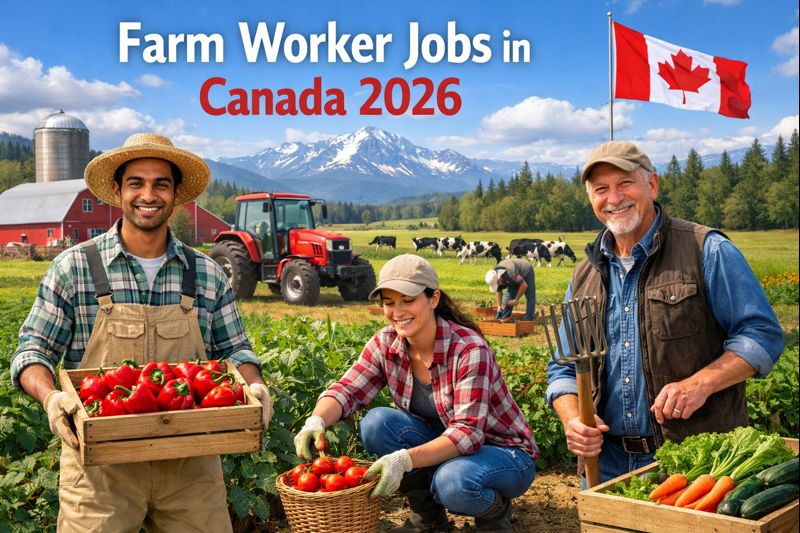
Farm Worker Jobs in Canada 2026. Agriculture has always played a vital role in Canada’s economy, food security, and rural development. From vast grain fields in the Prairies to fruit orchards in British Columbia and dairy farms in Ontario and Quebec, Canada’s agricultural sector depends heavily on farm workers. As we move into 2026, the demand for farm workers in Canada remains strong due to factors such as an aging domestic workforce, labor shortages in rural areas, expanding agri‑food production, and increased global demand for Canadian agricultural products.
Farm worker jobs in Canada provide opportunities for both Canadian residents and foreign workers seeking temporary or long‑term employment. These jobs range from seasonal harvesting and greenhouse work to livestock care, dairy farming, and skilled supervisory roles. Many positions do not require advanced education, making them accessible to a wide range of workers, while others offer pathways to permanent residence for experienced agricultural employees.
This article provides a detailed and up‑to‑date overview of farm worker jobs in Canada in 2026. It explores the types of jobs available, eligibility requirements, wages, working conditions, immigration pathways, benefits, challenges, and future prospects in the Canadian agricultural labor market.
Overview of Canada’s Agricultural Sector in 2026
Canada is one of the world’s leading agricultural producers and exporters. The country produces a wide variety of crops and livestock, including wheat, canola, corn, soybeans, fruits, vegetables, beef, pork, poultry, and dairy products. Agriculture and agri‑food industries contribute billions of dollars annually to the Canadian economy and employ hundreds of thousands of workers.
In 2026, Canada’s agricultural sector continues to face significant labor shortages. Rural depopulation, physically demanding working conditions, and competition from other industries have made it difficult for employers to attract enough local workers. As a result, farms increasingly rely on temporary foreign workers and seasonal agricultural labor programs.
Technological advancements such as automation, precision farming, and greenhouse innovations have changed some aspects of agricultural work. However, human labor remains essential for many tasks, especially harvesting delicate crops, caring for animals, and maintaining farm operations.
Types of Farm Worker Jobs in Canada
Farm worker jobs in Canada are diverse and vary depending on the type of farm, location, and season. Below are the main categories of agricultural employment available in 2026.
Crop Farm Workers
Crop farm workers are involved in planting, cultivating, maintaining, and harvesting crops. These jobs are often seasonal and physically demanding.
Common duties include:
- Planting seeds and seedlings
- Irrigating crops
- Weeding and pruning plants
- Harvesting fruits and vegetables
- Sorting, grading, and packing produce
Crop farm jobs are common in fruit orchards, vegetable farms, grain fields, and vineyards across provinces such as British Columbia, Ontario, Quebec, and Alberta.
Greenhouse and Nursery Workers
Greenhouse and nursery work is one of the fastest‑growing areas in Canadian agriculture. These jobs are often less affected by weather conditions and may be available year‑round.
Typical responsibilities include:
- Planting and transplanting seedlings
- Monitoring plant health
- Controlling temperature and humidity
- Harvesting greenhouse vegetables
- Preparing plants for sale
Greenhouse work is especially common in Ontario and British Columbia.
Livestock and Dairy Farm Workers
Livestock farm workers care for animals such as cattle, poultry, pigs, sheep, and goats. Dairy farms, in particular, require consistent daily labor.
Key duties include:
- Feeding and watering animals
- Cleaning barns and stalls
- Assisting with milking operations
- Monitoring animal health
- Handling and moving livestock
These jobs may be year‑round and often provide more stable employment than seasonal crop work.
Farm Equipment Operators
Some farms require workers skilled in operating agricultural machinery such as tractors, harvesters, and irrigation systems.
Responsibilities may include:
- Operating and maintaining machinery
- Assisting with planting and harvesting
- Performing basic equipment repairs
These positions typically offer higher wages and may require prior experience or training.
Supervisors and Specialized Roles
Experienced farm workers may advance to supervisory or specialized positions, such as:
- Farm supervisors
- Greenhouse managers
- Livestock technicians
- Quality control inspectors
These roles involve managing workers, overseeing production, and ensuring safety and quality standards.
Seasonal vs. Year‑Round Farm Work
Farm worker jobs in Canada can be seasonal or year‑round, depending on the type of agriculture.
Seasonal Farm Work
Seasonal jobs are most common in crop farming and harvesting. These positions typically last from a few weeks to several months, often between spring and fall.
Advantages of seasonal work include:
- Short‑term commitment
- Opportunity to earn income quickly
- Ideal for temporary foreign workers
However, seasonal work may involve long hours, physically demanding tasks, and limited job security.
Year‑Round Farm Work
Year‑round positions are more common in livestock, dairy, poultry, and greenhouse operations.
Benefits include:
- Stable income
- Consistent working hours
- Potential eligibility for permanent residence pathways
Year‑round work may require more experience and commitment but offers greater long‑term security.
Apply Now
Wages and Earnings for Farm Workers in Canada 2026
Farm worker wages in Canada vary by province, job type, experience level, and whether the work is seasonal or permanent.
Average Hourly Wages
In 2026, typical hourly wages for farm workers range from approximately:
- Entry‑level general farm workers: modest hourly rates aligned with provincial minimum wages
- Experienced crop and greenhouse workers: higher hourly earnings
- Livestock and dairy workers: competitive wages due to specialized skills
- Equipment operators and supervisors: higher pay reflecting expertise
Overtime pay may apply depending on provincial labor laws and employment contracts.
Additional Compensation
Some farm employers provide additional benefits, including:
- Free or subsidized housing
- Transportation to and from work sites
- Meals or meal allowances
- Health and safety training
These benefits can significantly reduce living expenses for workers.
Working Conditions and Hours
Farm work is physically demanding and often involves working outdoors in varying weather conditions. Workers may need to stand, bend, lift heavy objects, and perform repetitive tasks.
Working Hours
Farm workers often work long hours, especially during peak seasons such as planting and harvesting. Shifts may include early mornings, evenings, weekends, and holidays.
Health and Safety
Canadian labor laws require employers to provide safe working environments. Workers are entitled to:
- Safety training
- Protective equipment
- Reasonable rest periods
- Access to medical care in case of injury
Despite these protections, farm work remains one of the more physically challenging occupations.
Eligibility Requirements for Farm Worker Jobs
Eligibility requirements depend on whether the worker is a Canadian resident or a foreign national.
Canadian Citizens and Permanent Residents
Canadian citizens and permanent residents can apply directly to farm jobs without work permits. Employers may prioritize local workers when available.
Foreign Workers
Foreign workers typically need:
- A valid job offer from a Canadian employer
- A work permit issued by Canadian immigration authorities
- Medical examinations and security checks
Language proficiency is usually not a strict requirement, but basic communication skills are helpful.
Temporary Foreign Worker Programs in Agriculture
Canada relies heavily on temporary foreign worker programs to fill agricultural labor shortages.
Seasonal Agricultural Worker Program (SAWP)
SAWP allows eligible foreign workers to come to Canada for seasonal farm work. Workers usually stay for several months and return to their home countries after the season ends.
Key features include:
- Employer‑supported work permits
- Pre‑arranged housing
- Regulated wages and working conditions
Agricultural Stream of the Temporary Foreign Worker Program
This stream allows employers to hire foreign workers for various agricultural roles, including both seasonal and year‑round positions.
Pathways to Permanent Residence for Farm Workers
In recent years, Canada has introduced immigration pathways for agricultural workers who wish to settle permanently.
Agri‑Food Immigration Pathway
This pathway targets experienced workers in specific agricultural industries. Requirements may include:
- Full‑time non‑seasonal employment
- Relevant work experience in Canada
- Language proficiency
Provincial Nominee Programs
Some provinces offer nomination programs for agricultural workers, particularly in rural areas facing labor shortages.
Benefits of Working as a Farm Worker in Canada
Farm worker jobs offer several advantages, including:
- Access to legal employment opportunities
- Competitive wages compared to similar jobs in many countries
- Exposure to modern agricultural practices
- Opportunities for repeat employment or permanent settlement
Challenges Faced by Farm Workers
Despite the benefits, farm workers may face challenges such as:
- Physically demanding labor
- Long working hours
- Isolation in rural areas
- Cultural and language barriers for foreign workers
Addressing these challenges requires strong labor protections and employer responsibility.
Future Outlook for Farm Worker Jobs in Canada
The demand for farm workers in Canada is expected to remain strong beyond 2026. Population growth, global food demand, and expansion of greenhouse agriculture will continue to drive labor needs.
While automation may reduce some manual tasks, human workers will remain essential in many areas of farming. Canada is likely to continue improving worker protections and expanding immigration pathways to attract and retain agricultural labor.
Conclusion
Farm worker jobs in Canada in 2026 represent an important pillar of the country’s agricultural and economic system. These jobs offer valuable employment opportunities for both domestic and foreign workers, ranging from short‑term seasonal roles to long‑term careers with pathways to permanent residence.
Although farm work can be physically demanding, it provides stable income, essential skills, and a chance to contribute to Canada’s food security. With ongoing labor shortages and government support for agricultural employment, farm worker jobs will remain a crucial and accessible option for workers seeking opportunities in Canada’s agricultural sector.
For individuals considering farm work in Canada, understanding the job types, requirements, and programs available in 2026 is the first step toward a successful and rewarding experience.
